Real Estate Breakfast Recap: How Millbrae Is Making Transit-Oriented Development Real
By Jared Mainini | 05.15.2026 | Firm Post
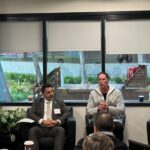
Hoge Fenton’s latest Real Estate Breakfast in San Mateo focused on a topic people in real estate have talked about for years: transit-oriented development. The phrase gets thrown around a lot. Sometimes it means something real. Sometimes it just means someone put apartments near a train station and called it a day. This panel cut through the noise. The panel featured Millbrae Vice-Mayor Stephen Rainaldi, Millbrae City Manager Tom Williams, and Michael Van Every, President and Managing Partner of Republic Urban Properties. They spoke about Millbrae Station and the Gateway at Millbrae Station project. Together, they gave a clear look at how one Bay Area city is trying to turn transit access into housing, retail, jobs, and long-term growth.
Here’s the thing: Millbrae Station is not a normal transit stop. It brings together BART, Caltrain, SamTrans, local buses, and shuttle service in one place. That matters. For lawyers, developers, brokers, planners, and city staff, the project is a useful case study on how much work sits behind a good-looking mixed-use project. The panel discussed zoning, entitlements, environmental review, development agreements, BART’s role as landowner, and the usual public-agency friction that comes with a complicated site. Not glamorous stuff, but very real stuff. And without it, nothing gets built.
The Gateway project also showed why flexibility matters. Early ideas included more hotel and high-end retail, but the market had other plans. Then COVID hit, as if the entitlement process needed more obstacles. Construction began shortly before the pandemic, and the project had to move through inspection issues, office-market uncertainty, retail challenges, and general public-sector turnover. Still, the panel made a simple point: cities need a clear plan, but they also need to let experienced developers respond to actual demand. Too much control can freeze a project. Too little direction can create a mess. Millbrae’s story sits somewhere in the practical middle.
The broader takeaway was bigger than one development. Millbrae shows what can happen when housing, transit, employers, and retail are planned around how people actually move. Residents are choosing to live car-free at the station. Employers are benefiting from transit access. Retail is getting weekday traffic. But the model only works if the transit system itself remains stable. With Bay Area transit funding continuing to be a major concern, the panel’s discussion had a quiet warning baked in: development near transit depends on transit that people can count on. Millbrae has given other Bay Area cities a strong example to study. The harder question is whether the region will keep investing in the systems that make projects like this work..
Overall, the breakfast offered a clear look at how Millbrae is turning transit access into something more tangible: homes, jobs, retail activity, and a stronger local economy. Hoge Fenton looks forward to continuing the discussion at future Real Estate Breakfast events as Bay Area cities keep working through the same hard questions around housing, transportation, and growth.
Hoge Fenton hosts Real Estate Breakfasts highlighting meaningful issues to the Bay Area commercial real estate industry. If you would like an invitation to our next breakfast, please email reg@hogefenton.com